

Preventive Eye Care In A Screen-Heavy World: Why Early Detection Matters More Than Ever

Screens are a constant part of modern life, but heavy screen use can make it easier to overlook subtle changes in your vision. In many cases, serious eye conditions develop with few early symptoms, which is why preventive eye care and regular comprehensive eye exams are more important than ever. At Austin Optometry Group, Dr. Aaron Wolf helps patients stay ahead of potential issues through early detection and proactive care.
Screen Time Can Hide Early Warning Signs
Many people assume screen-related discomfort is temporary. Dryness, blurred vision, headaches, light sensitivity, and eye fatigue may seem like normal side effects of a busy day. While digital strain is common, these symptoms can also overlap with underlying concerns that should not be dismissed.
Relying on how your eyes feel is not enough. Some eye conditions develop gradually and may not cause obvious symptoms at first. That is one reason preventive eye care is so important.
Early Detection Supports Better Outcomes
Regular comprehensive eye exams help identify changes before they become more serious. Conditions such as glaucoma, macular degeneration, diabetic eye disease, and cataracts may begin with little to no noticeable vision loss. Detecting them early allows for closer monitoring, timely treatment, and better management.
In many cases, patients feel their vision is fine until testing shows otherwise. That is why comprehensive exams are about more than updating a prescription - they are a key part of protecting your overall eye health.
What a Comprehensive Eye Exam Can Reveal
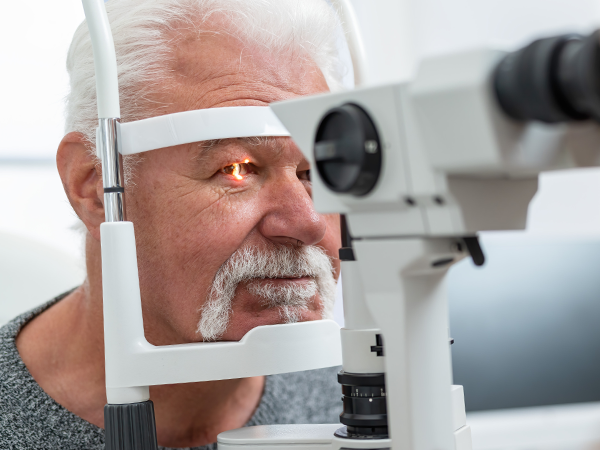
At Austin Optometry Group, comprehensive eye exams are designed to look beyond surface-level symptoms. Dr. Wolf uses advanced testing and imaging to evaluate both vision and ocular health.
A preventive exam may help detect:
• Early signs of glaucoma
• Retinal changes related to diabetes or other health conditions
• Dry eye and ocular surface issues
• Cataract development
• Changes in prescription or focusing ability
This kind of evaluation is especially important for adults who spend long hours on computers, tablets, and phones.
Screen Time and Myopia in Children
Screen time is also an important concern when it comes to children’s vision. More time spent on tablets, phones, computers, and other close-up activities has been linked to a greater risk of myopia progression. Myopia, or nearsightedness, causes distant objects to look blurry, and it often develops during childhood. In many cases, it can worsen as a child grows.
While screens are now part of everyday life, too much near work and too little time outdoors can place added stress on a child’s visual system. That is why regular comprehensive eye exams are so important. They allow us to detect early signs of myopia, monitor changes in prescription, and recommend treatment or lifestyle adjustments when needed. Catching myopia early can help protect a child’s vision and support healthier long-term eye development.
Schedule a Comprehensive Eye Exam at Austin Optometry Group
Preventive eye care should be treated like any other part of your healthcare routine. Even if your vision seems stable, regular comprehensive eye exams help establish a baseline and identify subtle changes before they affect daily life. For patients in Austin, this proactive approach is one of the best ways to stay ahead of potential problems. Dr. Wolf and our team believe that early detection, consistent monitoring, and personalized care are essential in today’s screen-heavy environment.
Schedule your next comprehensive eye exam with Austin Optometry Group to protect your vision with proactive care in today’s screen-heavy world. Visit our office in Austin, TX, or call (512) 454-4641 to book an appointment today.

MAP
© 2026 Austin Optometry Group. All Rights Reserved. Accessibility Statement - Privacy Policy - Sitemap
Powered by: 